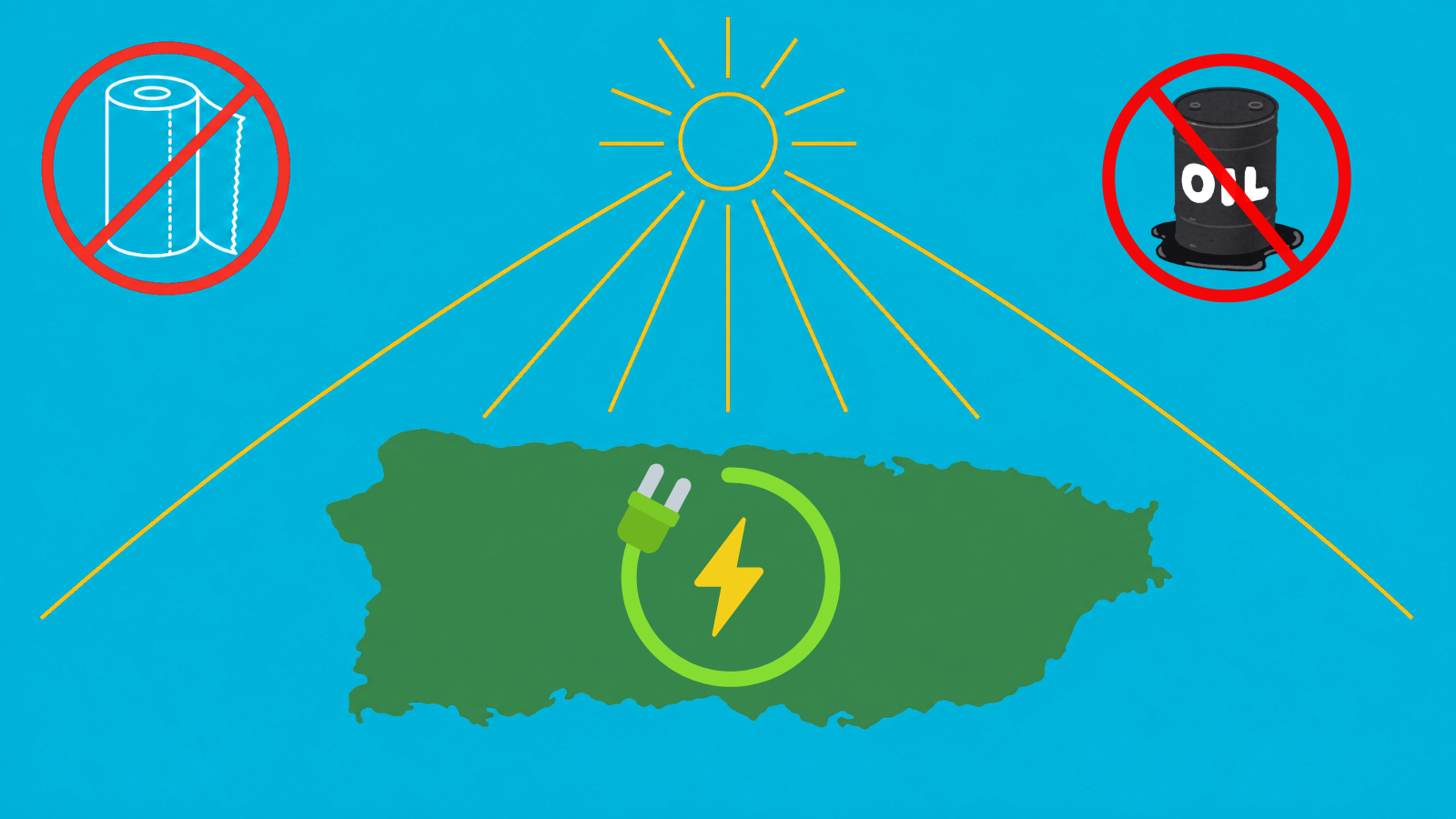
You can’t blockade Solar Energy in Puerto Rico
The fastest paths to bring solar panels to Puerto Rico are ocean freight shipping for commercial bulk cargo or household-level retail purchasing from local distributors already operating on the island. Because Puerto Rico is a U.S. territory, all maritime shipments originating from the U.S. mainland must comply with the strict transit requirements of the Jones Act.
🚢 Commercial Importation and Shipping Paths
If you are importing solar panels in bulk for commercial installation or resale, you must navigate specific maritime and customs corridors:
- The U.S. Mainland Route: Shipments departing from ports like Jacksonville, Florida or Newark, New Jersey must use Jones Act-compliant, U.S.-flagged vessels. Major maritime carriers running these dedicated lanes include Crowley and TOTE Maritime.
- The International Route: Shipments arriving directly from international manufacturing hubs (such as China or Southeast Asia) enter via the Port of San Juan. These foreign-flagged vessels bypass the Jones Act but are subject to U.S. Customs and Border Protection (CBP) inspections and federal import tariffs.
- Tax and Duty Exemptions: While standard federal tariffs apply to international panels, Puerto Rico’s Act 60 (Incentives Code) offers local tax exemptions. It waives the 11.5% Sales and Use Tax (IVU) on solar equipment certified by the Puerto Rico Energy Bureau.
🏢 Local Distribution and Retail Paths
For residential property owners or small businesses, shipping individual panels from the mainland is cost-prohibitive. The most practical path is sourcing directly from established inventory on the island:
- Wholesale Distributors: Local distributors like Glenn International import tier-1 solar panels, inverters, and battery storage systems in massive quantities, supplying local contractors at scale.
- Turnkey Solar Providers: Certified local installation companies (such as Maximo Solar Industries or Windmar Solar) manage the entire pipeline. They handle the shipping, local permitting, physical installation, and net-metering grid connection with the island’s utility operator, LUMA Energy.
📋 Critical Logistics Constraints
- Grid Interconnection Backlogs: Getting permission to connect imported panels to the local grid via LUMA Energy can take several months due to administrative backlogs.
- Hurricane Infrastructure Requirements: All structural racking and solar panels brought to the island must be certified to withstand Category 5 hurricane winds (up to 160–180 mph) to meet local building codes.
Are you looking to import a container of panels for a commercial project, or are you trying to equip a specific residential property on the island?
Start with The fastest paths to bring solar panels to Puerto Rico are ocean freight shipping for commercial bulk cargo or household-level retail purchasing from local distributors already operating on the island. Because Puerto Rico is a U.S. territory, all maritime shipments originating from the U.S. mainland must comply with the strict transit requirements of the Jones Act.
🚢 Commercial Importation and Shipping Paths
If you are importing solar panels in bulk for commercial installation or resale, you must navigate specific maritime and customs corridors:
- The U.S. Mainland Route: Shipments departing from ports like Jacksonville, Florida or Newark, New Jersey must use Jones Act-compliant, U.S.-flagged vessels. Major maritime carriers running these dedicated lanes include Crowley and TOTE Maritime.
- The International Route: Shipments arriving directly from international manufacturing hubs (such as China or Southeast Asia) enter via the Port of San Juan. These foreign-flagged vessels bypass the Jones Act but are subject to U.S. Customs and Border Protection (CBP) inspections and federal import tariffs.
- Tax and Duty Exemptions: While standard federal tariffs apply to international panels, Puerto Rico’s Act 60 (Incentives Code) offers local tax exemptions. It waives the 11.5% Sales and Use Tax (IVU) on solar equipment certified by the Puerto Rico Energy Bureau.
🏢 Local Distribution and Retail Paths
For residential property owners or small businesses, shipping individual panels from the mainland is cost-prohibitive. The most practical path is sourcing directly from established inventory on the island:
- Wholesale Distributors: Local distributors like Glenn International import tier-1 solar panels, inverters, and battery storage systems in massive quantities, supplying local contractors at scale.
- Turnkey Solar Providers: Certified local installation companies (such as Maximo Solar Industries or Windmar Solar) manage the entire pipeline. They handle the shipping, local permitting, physical installation, and net-metering grid connection with the island’s utility operator, LUMA Energy.
📋 Critical Logistics Constraints
- Grid Interconnection Backlogs: Getting permission to connect imported panels to the local grid via LUMA Energy can take several months due to administrative backlogs.
- Hurricane Infrastructure Requirements: All structural racking and solar panels brought to the island must be certified to withstand Category 5 hurricane winds (up to 160–180 mph) to meet local building codes.
Are you looking to import a container of panels for a commercial project, or are you trying to equip a specific residential property on the island?
Start with a specific residential property
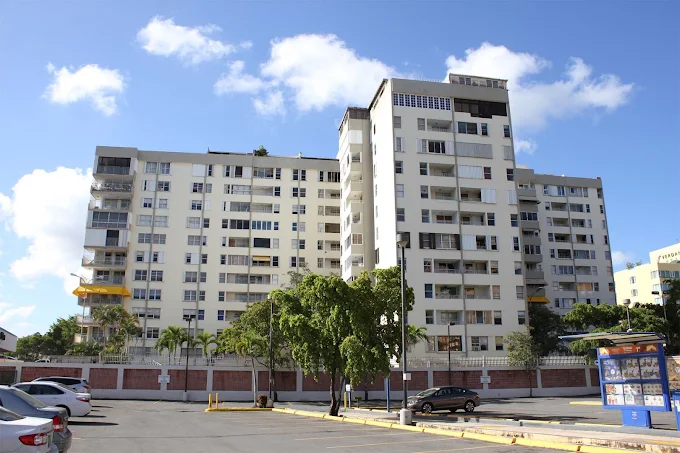
Ron’s cousin’s building in Puerto Rico – Tropicana, 132 units
For a condominium Homeowners Association (HOA) aiming to achieve energy independence through a pilot program, combining Chinese solar panels with localized mini data centers—such as the framework detailed in the Verdant Data Center Whitepaper—is a highly innovative approach.
By utilizing excess power to run computing infrastructure rather than feeding it back to the utility company, the HOA sidesteps the unfavorable pricing of traditional net-metering.
1. Navigating the Procurement of Chinese Solar Panels
While Chinese solar panels offer unparalleled cost-per-watt efficiency, an HOA must navigate severe regulatory and legal hurdles introduced by strict U.S. trade laws: [1]
- Cybersecurity & Inverter Bans: The HOA must strictly avoid Chinese-manufactured inverters, transformers, or core electrical grid components. Under an emergency executive order signed in August 2026, the U.S. government banned foreign adversary equipment in bulk-power systems due to grid cyber-vulnerabilities. Instead, pair Chinese physical panels with U.S.-approved microinverters (like Enphase). [2, 3]
- The UFLPA Hurdle: Chinese panels frequently face lengthy delays or seizures at U.S. Customs under the Uyghur Forced Labor Prevention Act (UFLPA), which targets components tied to forced labor regions. [4, 5]
- The Optimal Path: Rather than trying to self-import a shipping container directly from Asia, the HOA should purchase Chinese-branded modules (like JinkoSolar or Longi) through an established U.S. commercial wholesale distributor. This shifts the burden of Customs clearance, UFLPA compliance documentation, and minimum import price enforcement onto the supplier, protecting the HOA’s legal reserves. [6, 7, 8]
2. Structuring the Pilot Program via the HOA
To legally and financially pull this off, the HOA board must structure the project as a shared community utility: [9]
- The Master Meter Model: The solar array should be mounted on the common-area roof and wired directly to a centralized “Master Meter” that handles the building’s main electrical intake. [10, 11]
- Legal Protections: In progressive states like California, solar easement laws prohibit an HOA from obstructing rooftop solar on common areas and lower the voter threshold required to approve shared roof usage. [12, 13]
- Funding the Microgrid: Capital can be raised by allocating funds from the HOA’s capital reserves, passing a structured special assessment, or utilizing a clean energy Power Purchase Agreement (PPA) where investors fund the upfront hardware in exchange for equity in the data center revenue. [9, 14]
3. Converting Excess Solar into Real Value via Mini Data Centers
Instead of suffering low utility buy-back rates, the HOA can funnel its extra midday solar generation into an on-site, modular micro-data center. This localized infrastructure converts raw electrons into computational real estate: [15]
[ Rooftop Solar Array ] ──> Powers Condo Common Areas
            │
            └── (Excess Midday Energy) ──> [ Centralized Battery / Micro-Data Center ]
                                                       │
                   ┌───────────────────────────────────┴───────────────────────────────────┐
                   ▼                                                                       ▼
     [ High-Value Cloud Compute ]                                            [ Cryptocurrency Mining ]
   Renting GPU power for AI training,                                      Minting proof-of-work digital assets
   rendering, or local edge-caching.                                       automatically during peak solar hours.
                   │                                                                       │
                   ▼                                                                       ▼
   (Generates Yield in USD / Stablecoins)                                   (Generates Native Crypto Assets)
Path A: Artificial Intelligence & Cloud Compute Renting (Dollars/Stablecoins)
- How it works: The HOA installs small-scale, liquid-cooled server racks (housing GPUs like Nvidia H100s or standard computing blades) inside a secure common room or utility basement.
- The Revenue Mechanism: The HOA leases this “distributed compute” to localized platforms like Verdant Data, which manages Community Management as a Service networks. The data center runs web-hosting, local content caching, or AI training algorithms.
- Payout: AI tech companies and cloud networks pay for this infrastructure in standard U.S. Dollars or USD-pegged stablecoins (like USDC), providing a stable revenue stream directly back to the HOA’s operating budget to offset condo fees. [15]
Path B: Automated Crypto Mining (Cryptocurrency)
- How it works: The HOA deploys ASIC (Application-Specific Integrated Circuit) mining rigs inside the mini data center.
- The Revenue Mechanism: Utilizing automated energy-management software, the ASIC miners are programmed to turn on only when the solar panels are producing a surplus of energy that exceeds the condominium’s immediate baseline usage.
- Payout: By “curtailing” the mining rigs to match solar fluctuations, the HOA effectively converts zero-cost stranded electricity into newly minted Bitcoin or other proof-of-work cryptocurrencies.
⚖️ Trade-offs and Operational Risks
While this creates an entirely self-sustaining economy, the HOA board must account for specific risks:
- Heat and Noise Management: Mini data centers emit immense heat and loud, high-pitched fan noise. The HOA will need specialized acoustic insulation and a fraction of the solar energy dedicated entirely to HVAC/cooling systems.
- Commercial Zoning Restrictions: Residential HOAs must check local bylaws. Operating a revenue-generating data center on residential property might require a conditional use permit from local city planners. [9]
[1] https://pv-magazine-usa.com
[3] https://www.businesstimes.com.sg
[4] https://www.solsystems.com
[8] https://arws.cz
[9] https://solarunitedneighbors.org
[13] https://permies.com
[14] https://echo-ca.org
Imagine a Solar Pergola
Integrating solar panels into an architectural solar pergola (canopy) system allows your condominium HOA to generate clean AI compute power while creating a premium, shaded outdoor rooftop lounge for residents.
Based on the multi-tiered layout of the building next to San Juan, Puerto Rico, here is the technical sizing, structural configuration, and financial yield analysis for your pilot program.
📐 1. Sizing and Solar Potential Analysis
Based on the structure’s footprint and width, the main building blocks present a sizable roof surface area:
| Metric | Measurement / Calculation |
|---|---|
| Estimated Total Rooftop Footprint | ~12,000 square feet |
| Allocated Solar Canopy Area (20%) | 2,400 square feet |
| Standard Module Dimension | ~22 square feet per panel (Standard 450W commercial module) |
| Total Allowable System Density | ~110 Solar Panels |
| Estimated Direct DC Power Capacity | 49.5 kW (Kilowatts) |
🏗️ 2. Architectural Design: The Solar Pergola Lounge
Instead of flush-mounting panels flat onto the roof concrete, the HOA will build an elevated cantilevered structural pergola. This transforms the 2,400 sq. ft. zone into dual-purpose real estate:
    [ Sun Rays ]
   ☀️  ☀️  ☀️  ☀️
 ═════════════════  <-- Chinese Tier-1 Bi-facial Solar Panels (Waterproof Canopy)
   │  🛋️      🛋️  │
   │  [Resident   │  <-- Elevated Structural Steel Frame (Wind-rated up to 175 mph)
   │   Seating]   │
 ─────────────────  <-- Existing Concrete Roof Deck
- Bi-Facial Glass Panels: By deploying bi-facial modules (which absorb light on both sides), the canopy captures direct sunlight from above and reflected ambient light from the concrete deck below. This configuration boosts energy yield by up to 15–20% compared to standard single-sided panels.
- Structural Hurricane Engineering: Puerto Rico construction codes dictate that any rooftop canopy must survive Category 5 wind loads (up to 175 mph). The pergola frame must be constructed using heavy-gauge, hot-dip galvanized steel or marine-grade structural aluminum anchored deeply into the building’s reinforced structural columns, not just the thin roof slab.
💻 3. Power Sizing for the Mini Data Center
With an active 49.5 kW rooftop generation system, the micro-grid can comfortably sustain a small-scale edge data center array during peak sun hours without straining your shared building essentials:
- The AI Computing Setup: A 49.5 kW system can continuously run approximately 4 to 5 compact, liquid-cooled Edge Server Cabinets (with each cabinet drawing roughly 8–10 kW under full workload capacities).
- Battery Interconnection: To maintain server uptime when clouds pass over San Juan, pair the array with a industrial lithium-iron-phosphate (LFP) commercial battery stack (such as a 100 kWh battery storage bank). This acts as a buffer to stabilize power spikes.
📊 4. Financial Yield: Solar vs. AI Compute Arbitrage
The table below illustrates why using an on-site data center beats traditional net-metering under Puerto Rico’s current regulatory climate:
| Parameter | Traditional Net-Metering Route | AI Cloud Compute Route (The Pilot) |
|---|---|---|
| Destination of Electricity | Sent back to the local utility provider | Funneled into on-site GPU server racks |
| Typical Valuation per kWh | ~$0.05 / kWh (Wholesale credits) | ~$0.45 – $0.65 / kWh equivalent value |
| Estimated Monthly Value Generated | ~$350 – $450 total grid credits | $3,200 – $4,800 gross revenue |
| Primary Financial Benefit | Minor discount on common-area lighting bills | Direct USD cash injected into HOA capital reserves |
🚀 Next Steps to Mobilize the Board
To present this successfully to the condominium owners, you will need to commission a formal structural engineering feasibility study to verify the weight tolerance of the roof columns for the elevated steel canopy.
Would you like a drafted Request for Proposal (RFP) template that you can send to local Puerto Rican solar developers to get binding quotes for a hurricane-rated solar canopy?
Request for Proposal (RFP) template
For local Puerto Rican solar developers to get binding quotes for a hurricane-rated solar canopy
Here is a comprehensive Request for Proposal (RFP) template tailored specifically for Puerto Rico’s unique regulatory, structural, and maritime environment.
You can copy, paste, and customize the bracketed information [like this] before sending it to local developers.
REQUEST FOR PROPOSAL (RFP)
Project: Hurricane-Rated Rooftop Solar Canopy & Micro-Grid Pilot Program
Issued By: The Board of Directors, [Insert Condominium Name] HOA
Location:[Insert Condominium Address, e.g., Condominio Tropicana, San Juan, Puerto Rico]
Issue Date:[Insert Date]
Proposal Submission Deadline:[Insert Date]
Primary Contact:[Insert Name, Title, Email, and Phone Number]
1. PURPOSE & PROJECT OVERVIEW
The Board of Directors of [Insert Condominium Name] Homeowners Association (HOA) is seeking binding, turnkey proposals from licensed, certified solar energy developers in Puerto Rico.
The objective of this pilot program is to construct an elevated, dual-purpose rooftop solar canopy (pergola). This structure will serve a dual function:
- Provide a shaded, premium outdoor seating area for condominium residents.
- Generate clean, behind-the-meter power dedicated to an on-site, modular mini data center infrastructure (distributed AI/Cloud computing).
2. SYSTEM SPECIFICATIONS & SCOPE OF WORK
The selected developer will provide all engineering, procurement, construction (EPC), permitting, and commissioning services.
- Estimated Total Rooftop Footprint: ~12,000 sq. ft.
- Target Solar Canopy Footprint (20% Allocation): Approximately 2,400 sq. ft.
- Target DC System Size: ~45 kW – 55 kW DC
- Technology Preferences: High-efficiency, Tier-1 Bi-facial glass-on-glass solar modules (to maximize ambient albedo light from the concrete roof deck).
- Inverter Requirements: U.S.-approved microinverters or smart string inverters compliant with current federal cybersecurity frameworks and local grid codes. No components from prohibited foreign entities.
- Battery Storage (Optional/Line Item): Provide a line-item quote for a commercial-grade 100 kWh Lithium Iron Phosphate (LFP) battery storage stack to act as a power stabilizer for computing loads.
3. STRICT STRUCTURAL & LOGISTICAL CONSTRAINTS
A. Hurricane Wind Resistance (Category 5)
Due to our proximity to the coast in San Juan, the entire elevated structural canopy, racking system, and panel attachments must be engineered, stamped, and certified by a licensed Professional Engineer (PE) in Puerto Rico to withstand Category 5 wind loads of up to 175 mph in strict accordance with the Puerto Rico Building Code.
B. Structural Anchoring
The elevated frame must utilize hot-dip galvanized steel or marine-grade structural aluminum. It must be anchored securely into the building’s reinforced concrete structural columns. Bidders must include a roof penetration waterproofing warranty of no less than 10 years.
C. Logistics, Tariffs, and the Jones Act
Developers must account for all maritime logistics, including compliance with the Jones Act for any equipment originating from the U.S. mainland. Proposals must explicitly outline how the bidder will handle UFLPA (Uyghur Forced Labor Prevention Act) compliance and customs clearance for Chinese-manufactured Tier-1 panels to avoid project delays.
D. Interconnection & Regulation
The system will operate primarily behind-the-meter to power an independent on-site payload. However, the developer must handle all necessary certifications with the Puerto Rico Energy Bureau (NEPR) and manage any required documentation or permitting with LUMA Energy and the Office of Management of Permits (OGPe).
4. PROPOSAL SUBMISSION REQUIREMENTS
Bidders must submit their proposals via email in PDF format to [Insert Email Address] by [Insert Time/Date]. Proposals must include:
- Company Profile: Evidence of licensing, certifications (e.g., CIAPR), and a summary of similar commercial or multi-family residential projects completed in Puerto Rico.
- Preliminary Engineering Design: A basic schematic or layout plan illustrating how the 2,400 sq. ft. canopy will be configured on the rooftop to allow for residential seating underneath.
- Bill of Materials (BOM): Specific manufacturer brands and models for the panels, inverters, racking, and battery storage.
- Financial Proposal:
- Turnkey cash purchase price (broken down by equipment, structural steel engineering, labor, and permitting).
- Alternative financing options (e.g., Power Purchase Agreement (PPA) or lease terms), if available.
- Project Timeline: An estimated schedule from contract signing through engineering, manufacturing, shipping, installation, and final commissioning.
- Warranty and O&M: Details on equipment warranties, structural warranties, and annual Operations & Maintenance (O&M) service packages.
5. EVALUATION CRITERIA
The HOA Board will evaluate submissions based on the following metrics:
- Structural Integrity & Compliance (30%): Robustness of the 175-mph wind-load engineering approach.
- Cost and Financial Terms (25%): Value per watt and transparency of pricing.
- Experience & Local Track Record (20%): Proven capability navigating Puerto Rico’s unique supply chain and bureaucratic landscapes.
- Project Timeline & Risk Mitigation (15%): Realistic scheduling and logistics handling (Jones Act, UFLPA).
- Aesthetic Integration (10%): Suitability of the structural canopy design for a premium resident lounge space.
The Board reserves the right to reject any or all proposals or negotiate terms with selected developers.
💡 Pro-Tip for the HOA Board
When you email this out, consider targeting prominent local commercial solar installers with proven experience handling complex permitting and structural canopies in Puerto Rico. Companies like Maximo Solar Industries, Windmar Solar, and Glenn International (as a distributor/partner reference) are strong starting points to get competitive, highly specialized bids.
If you would like, I can help you draft a cover letter or short email script to send alongside this RFP to ensure a prompt response from developers.
Email to Solar Developers
Following the Department of Energy’s cancellation of Puerto Rico Energy Resilience Fund awards, solar developers must re-strategize project pipelines and pivot toward local incentives and legal frameworks. Decentralized solar and battery storage remain essential for the island’s grid resilience despite federal funding disruptions. Read the full analysis at Verdant Data.
draft email
